

Recent Research Highlights
Research Activities
Integrating knowledge across fields to spark innovation and strengthen our collective understanding of infectious disease emergence
Featured








University of California, Davis
Dr. Christine Johnson is responsible for strategic leadership of CPI, leading transdisciplinary teams to drive technological innovation and disease modeling to advance our understanding of disease dynamics in the pre-emergence phase of pandemics. Research conducted by Dr. Johnson, post-doctoral researchers Dr. Jillian Armstrong and Dr. Yingying Wang, graduate students Elizabeth Ashley and Olivia Cords, and Field Research Fellow Sarah Lagattuta focuses on the animal-human interface in landscapes that constitute “fault lines” for disease emergence, disease spillover and subsequent spread.
University of Southern California
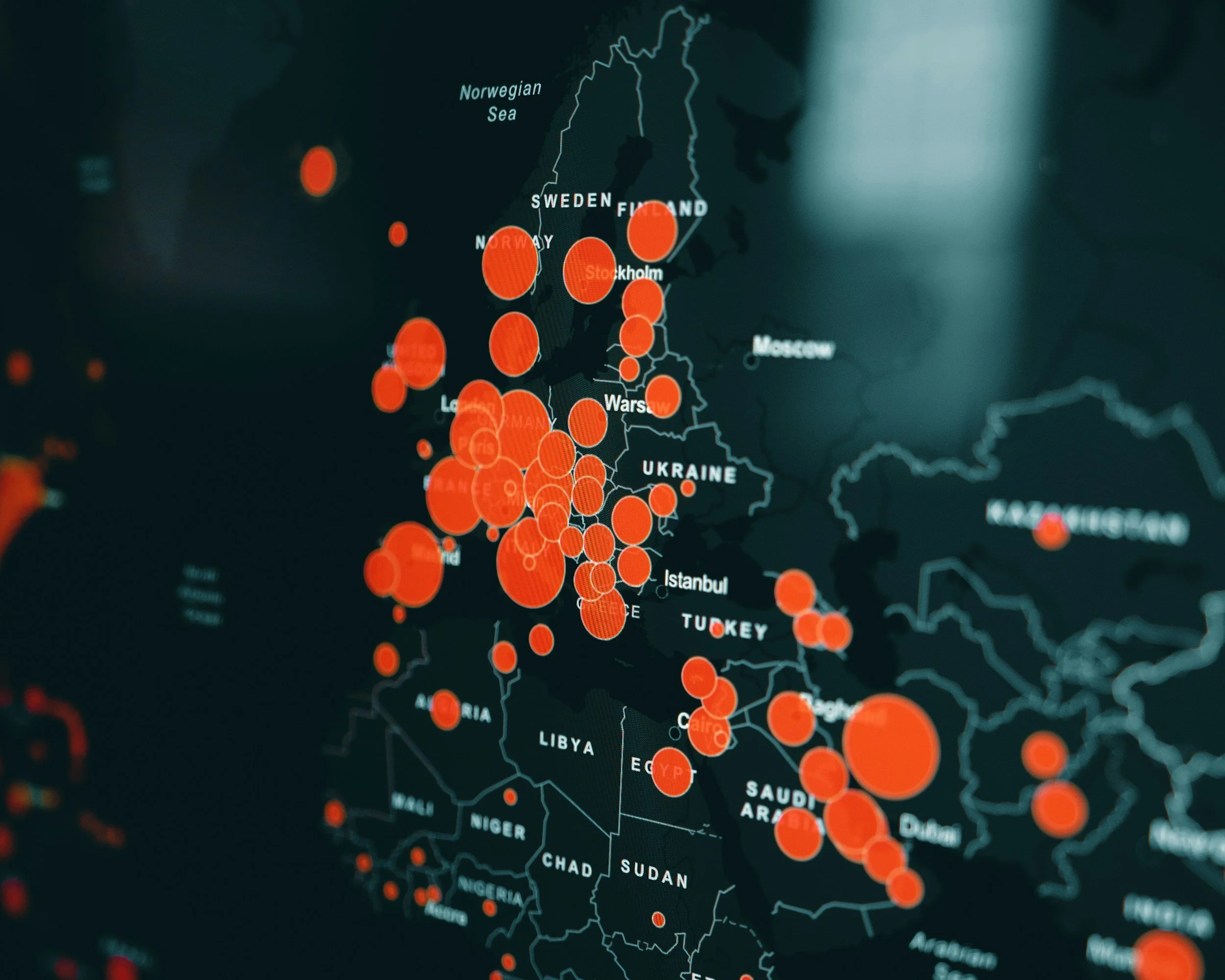
Dr. Urbashi Mitra studies communication theory, information theory, and signal processing with graduate students Nomaan Kherani and Sambit Mishra. For CPI, Dr. Mitra leads teams exploring rare event signal detection, predictive modeling, and multi-modal sensor signal integration. Their projects focus on preliminary forecasting activities, analyzing datasets collected across CPI and characterizing and extending models developed in the pre-emergence modeling space.
University of California, Davis
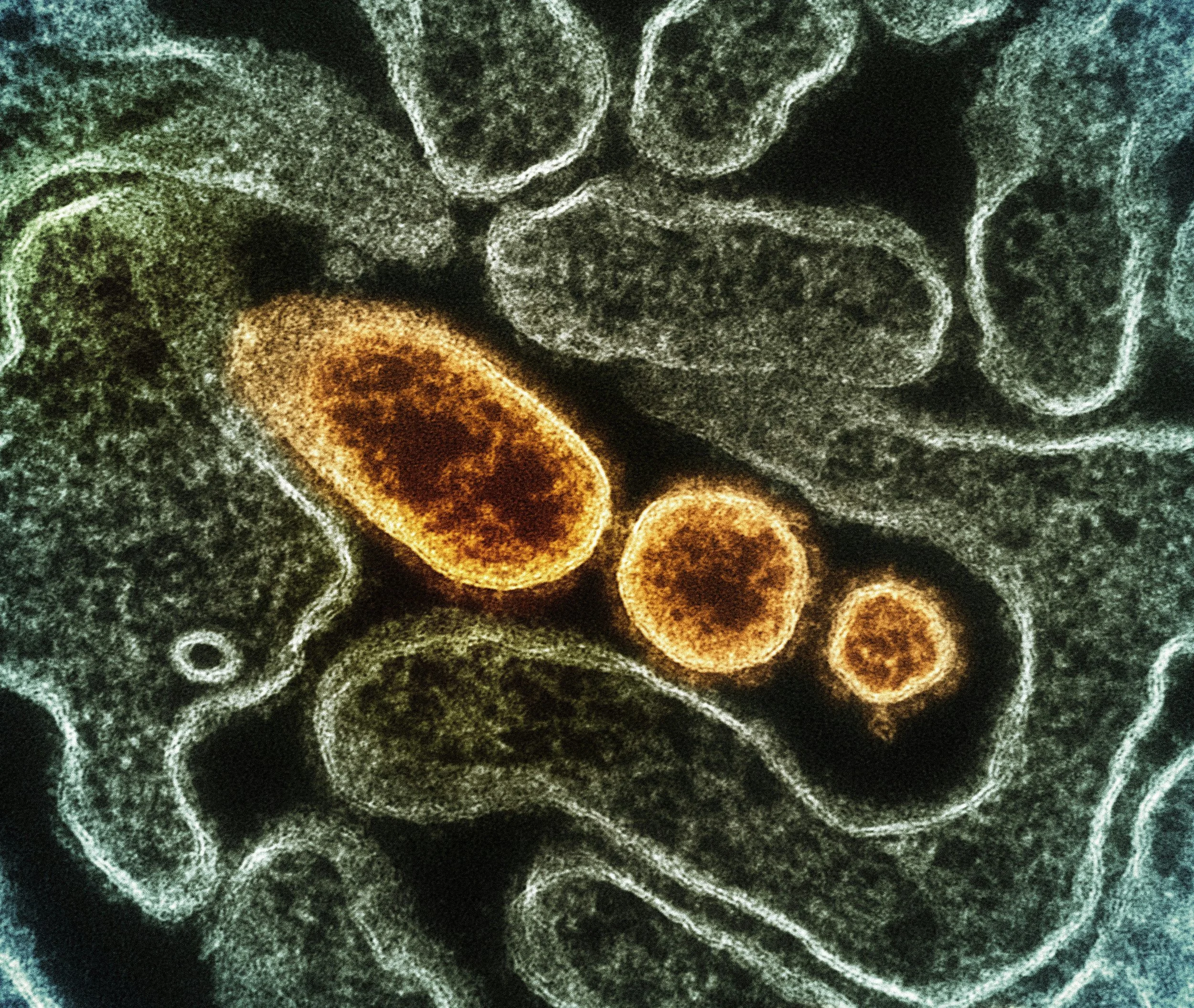
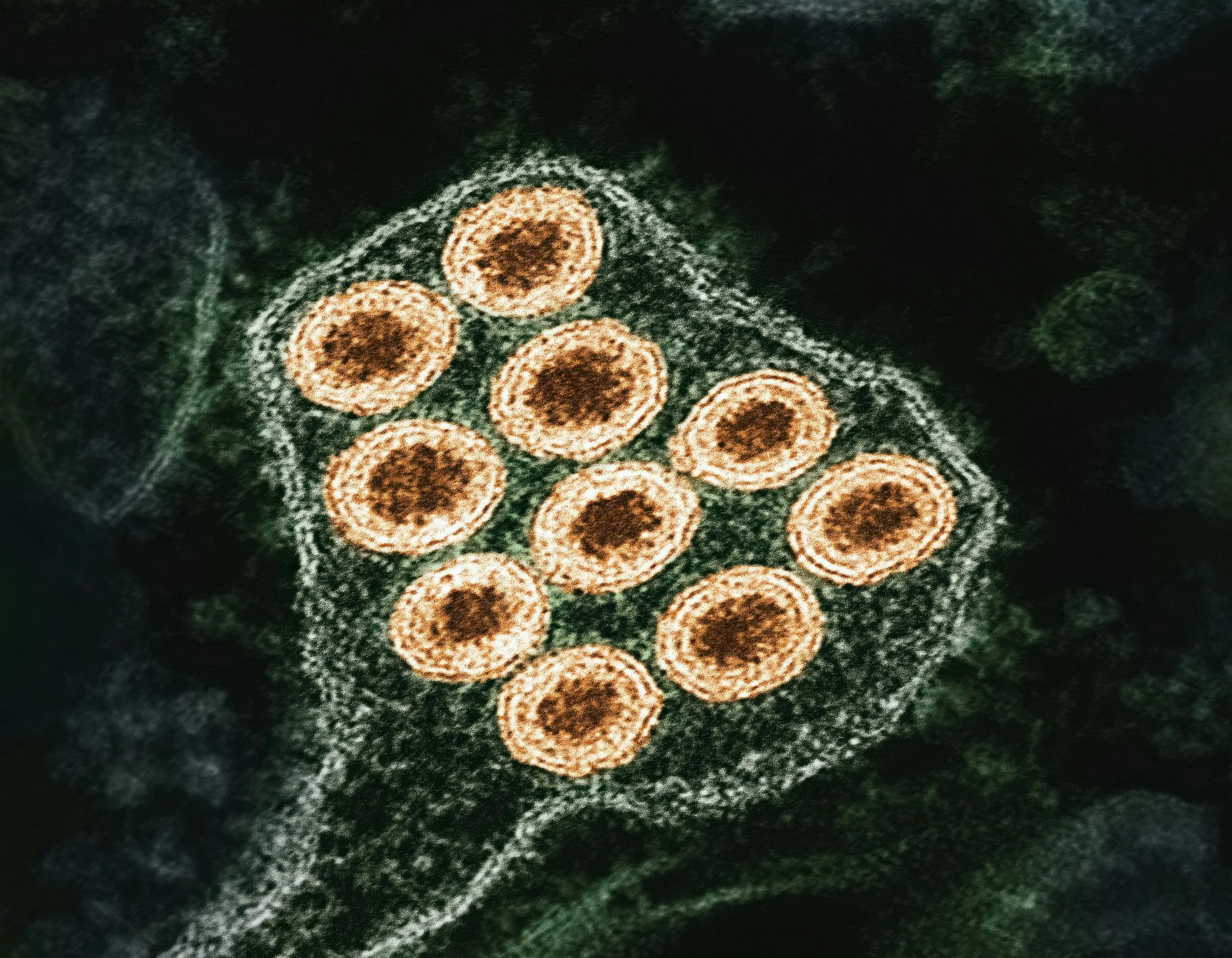
Dr. Simon Anthony researches zoonotic and emerging infectious diseases. With graduate student Caleb Huntington and post-doctoral researchers Dr. Cassandra Bonavita and Dr. Heather Wells, he works toward developing a deeper understanding of the ecology and evolution of wildlife viruses. Dr. Anthony’s team is particularly interested in theoretical and empirical models of recombination, a key evolutionary mechanism driving the establishment and emergence of new virus strains.
Labyrinth Global Health
Dr. Karen Saylors is a social science researcher and CEO/Co-founder of Labyrinth Global Health. She conducts mixed methods research and behavioral surveillance of drivers of emerging infectious diseases and risk mitigation of HIV, TB, coronaviruses, and novel emerging viruses in Africa and Southeast Asia. Dr. Saylors provides the CPI team with interdisciplinary expertise in behavioral and socioeconomic sciences, and she leads community participatory engagement in field implementation and public outreach.
University of California, Davis
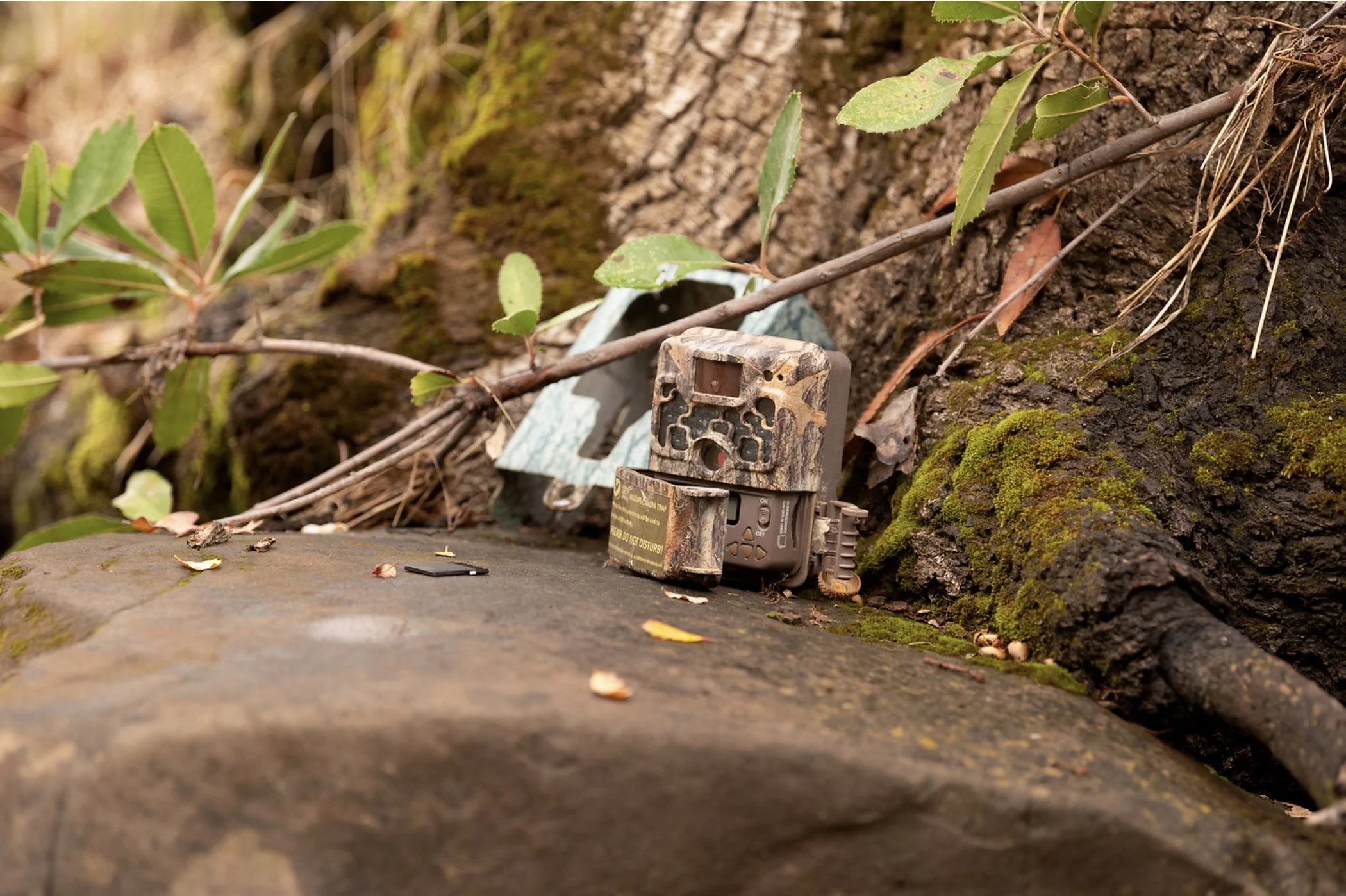
Dr. David Coil is responsible for coordinating and facilitating research across groups and disciplines, in addition to regulatory compliance and sponsor reporting. His work focuses on managing the logistics and deployment of sensors at CPI’s various field sites.
University of Southern California
Dr. Gisele Ragusa mentors all CPI trainees in teamwork and research development and directs outreach for CPI. Dr. Ragusa’s interests and areas of expertise include engineering education, human computing interaction in learning, engineering innovation and global preparedness, STEM PK-12 education and teacher education, STEM literacy education, as well as assessment and measurement in STEM.
University of California, Davis
Dr. Cristina Davis and Dr. Mitch McCartney develop advanced, portable chemical sensor systems capable of selectively targeting individual volatile organic compounds (VOCs) within complex mixtures. VOC emissions from animals and their environments can provide rich insights into health and disease states. With staff researcher Tristan Hicks, their projects include establishing baseline VOC profiles across diverse settings and creating field-deployable sensors for precise, real-time monitoring.
University of Michigan, Ann Arbor
Dr. Pei Zhang focuses on sensor integration and data transfer in the development of multi-modal sensors, as well as the hybrid learning, physical model incorporation, and data transfer. Dr. Zhang’s team, including graduate students Jiale Zhang and Julia Gersey, also refines data augmentation algorithms and physical models based on initial data collection. Their efforts focus on deployment of multi-modal sensors at various field sites and improvement of data augmentation approaches.
University of Montana
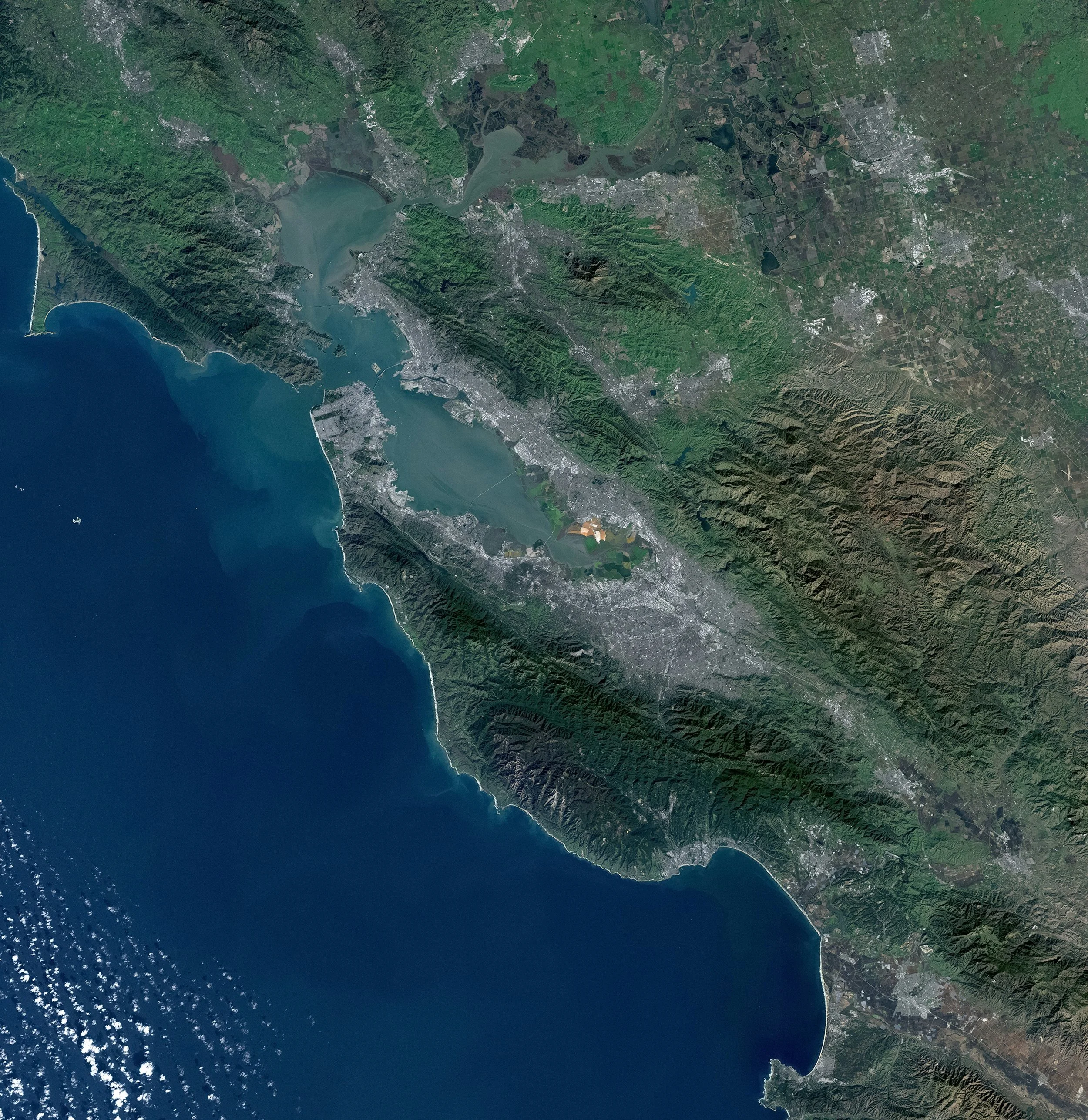
Dr. Troy Magney leads tasks associated with environmental sensing and satellite remote sensing in support of CPI. Dr. Magney and graduate student McKenzie Sime integrate satellite-based remote sensing observations with ecological and epidemiological modeling frameworks developed by CPI. Their projects include the derivation of high-resolution landscape and climate metrics from multiple satellite platforms and contributions to joint species distribution modeling (JSDMs) by providing remote sensing inputs that define habitat features and environmental gradients across local and regional scales.
University of California, San Diego
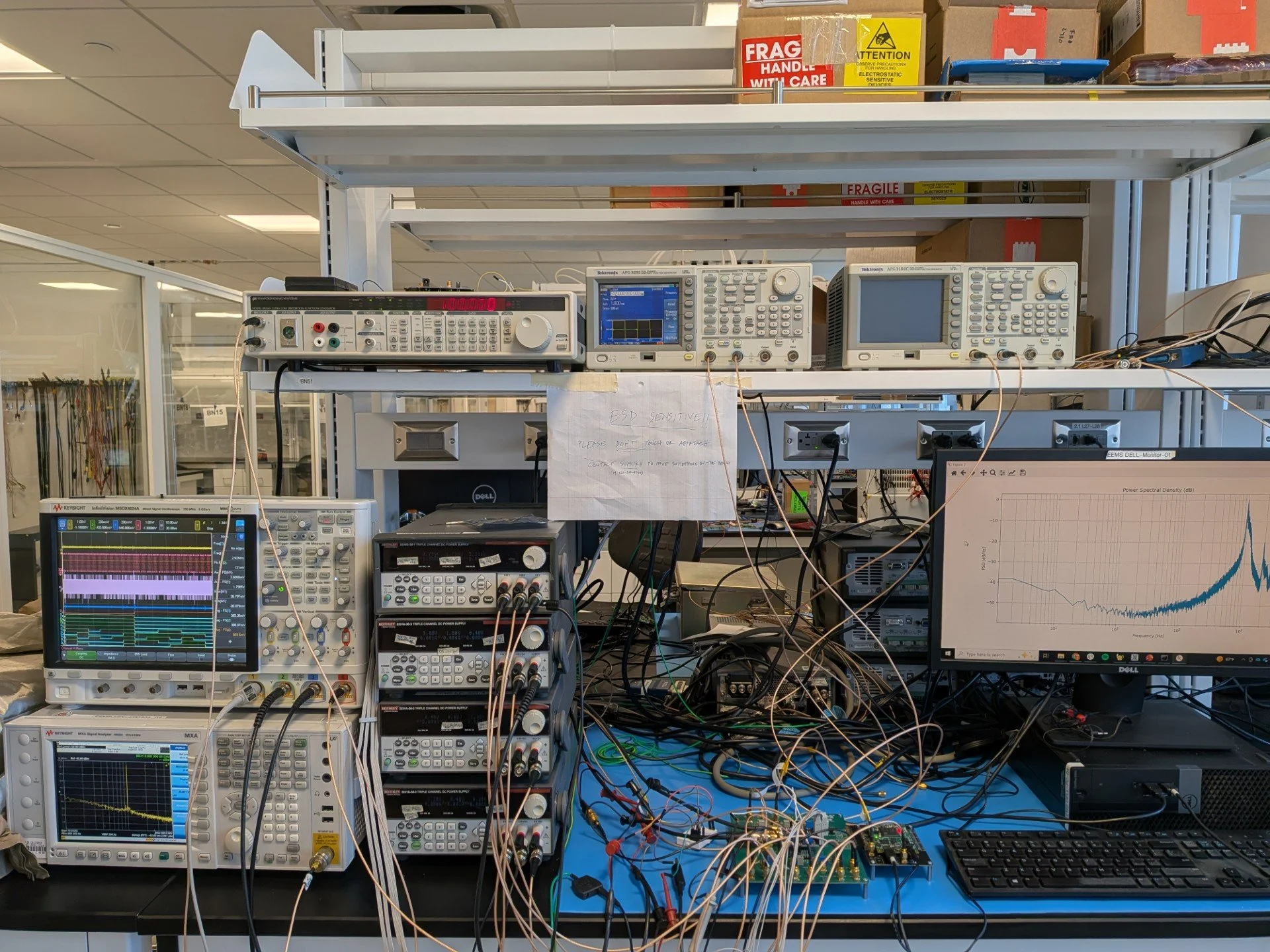
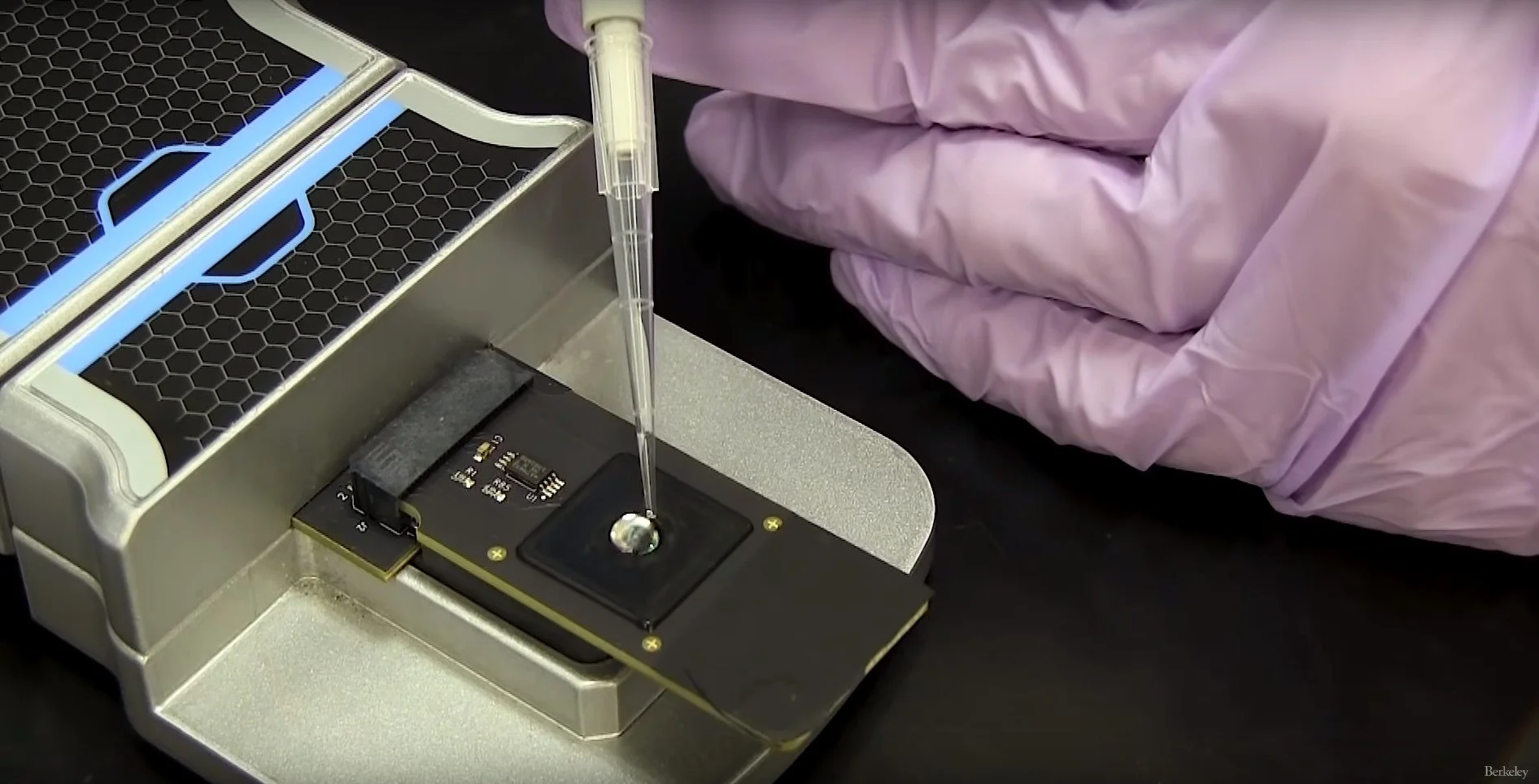
Dr. Patrick Mercier contributes to the design and development of electronics platforms for CPI projects. His team constructs custom integrated circuit front ends and incorporates necessary electronic components such as wireless communication functionality. Current research with graduate student Sumukh Nitundil involves testing the first-generation chip design for a pathogen sensor.
University of California, San Diego
Dr. Kiana Aran and her team are developing pathogen-specific sensors for the Center. This includes design, testing, deployment, and data integration for detection of prioritized pathogens. Dr. Aran has recently joined the Center and initial work is focused on determining both appropriate targets and the ideal sensor modality for Center use-cases. She is joined by Project Scientist Deependra Ban, who is currently developing a CRISPR based assay for influenza.
University of Southern California
Dr. Bistra Dilkina is an artificial intelligence researcher who builds hybrid methods combining machine learning and combinatorial optimization algorithms, with applications in environmental and social impact domains. With CPI, Dr. Dilkina develops species distribution models, leveraging species occurrences and environmental covariates from CPI data. She focuses on introducing novel machine learning and decision approaches that can inform minimizing zoonic spread at the animal-human interface.
University of California, Davis
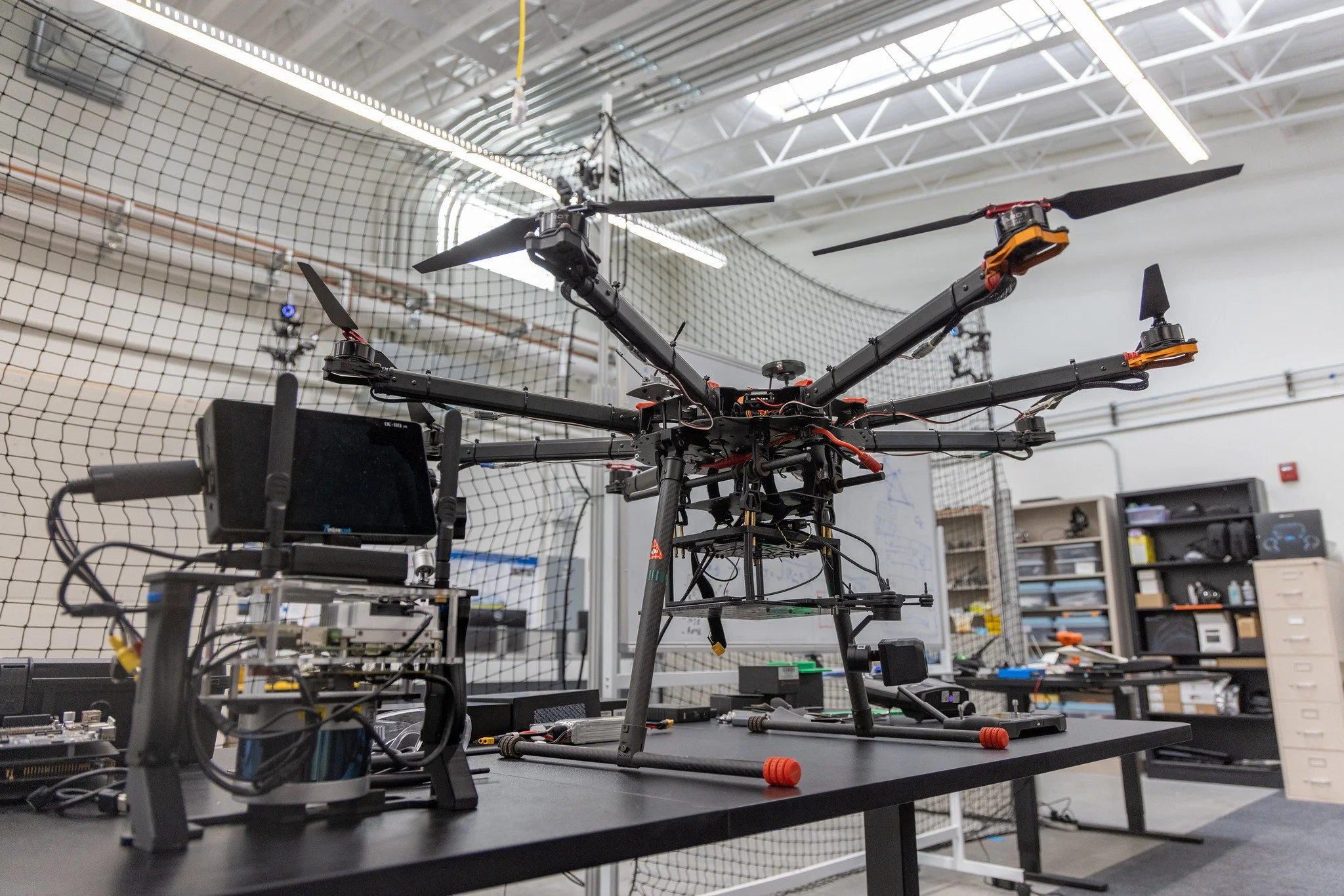
Dr. Zhaodan Kong develops, validates, and implements autonomous robotic systems—primarily unmanned aerial vehicles (UAVs)— to be ultimately integrated into a multimodal sensor network. His team, including graduate student Baihan Chen, leads projects including the development of a sequential air filtration system, the assembly and validation of different UAVs with different sensor payloads, and the enhancement of UAV capabilities for deployment in rugged field conditions.
Albert Einstein College of Medicine
Dr. Kartik Chandran supports CPI through assistance with pathogen sensor design and virus-host interaction predictions for viruses of interest. Dr. Chandran’s group specializes in viral protein expression and protein modeling. Their projects to date have focused on modeling the structure of viral proteins relevant to CPI.
Colorado State University
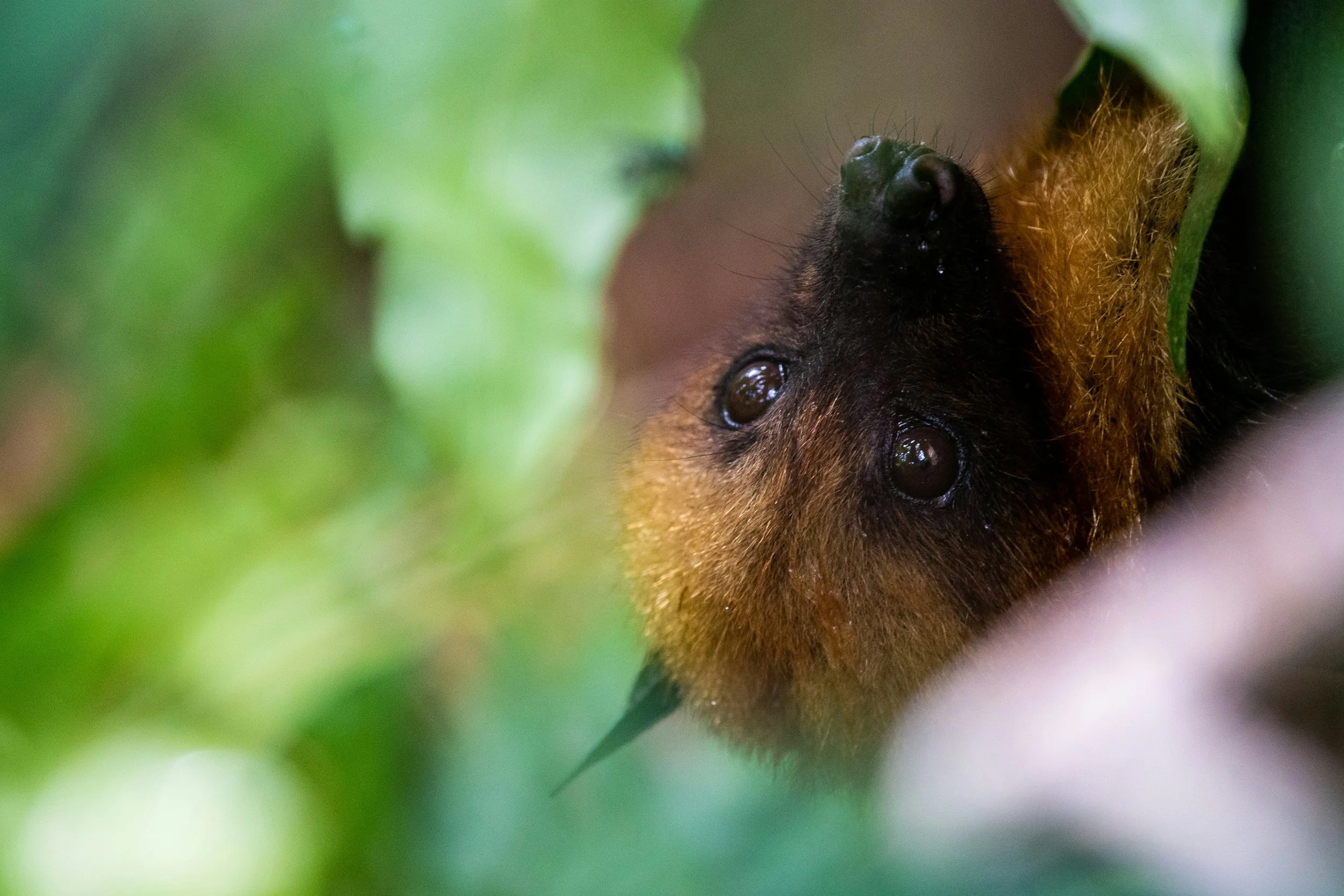
Dr. Rebekah Kading provides expertise in fieldwork, bat tracking, and surveillance technology. Dr. Kading and her team leverage their access to bat colonies in controlled settings to facilitate deployment of biosensors in these spaces. To date, CPI has deployed volatile organic compound (VOC) samplers and multi-modal environmental sensors at these facilities.
University of Illinois Urbana-Champaign
Dr. Tigga Kingston contributes technical input on wildlife ecology and biosafety practices critical for studying bats in field conditions. Dr. Kingston also supports in-situ field activities and trials of innovative technologies in field applications, particularly to ensure ethical and safe practice.
San Diego Zoo Wildlife Alliance
Dr. Ian Ingram leads the Conservation Technology Lab at the SDZWA, which focuses on wildlife health, behavior, conservation technology, and education of conservation technologists. SDZWA supports CPI both through the development of new technologies and methodologies, and also as a site to validate sensors on a controlled animal population. Ian and Research Coordinator Sumega Mandadi focus on the optimization of automated machine learning methods for both visual and auditory data from animals.
University of California, Davis
Dr. Marcela Uhart is the Director of the Latin America Program at the Karen C. Drayer Wildlife Health Center. Her focus is on free-ranging wildlife health and conservation for marine wildlife. Dr. Uhart’s projects with CPI focus on understanding the transmission dynamics and risks associated with avian influenza in marine mammals and birds.
San Diego Zoo Wildlife Alliance
Maggie Reinbold is the Director of Community Engagement for the San Diego Zoo Wildlife Alliance. She oversees and supports in-house and community-based conservation teams as they design and implement programs that connect communities to conservation for the benefit of wildlife and habitats. She engages closely with CPI's education, training, and outreach teams.
University of California, Davis
Guillaume Jospin oversees all aspects of data handling and digital infrastructure for CPI. His current projects include the development of a data-sharing portal that will encompass both public and Center-generated data. His future work will include an interactive data visualization platform on the CPI website.
San Diego Zoo Wildlife Alliance
Dr. Nadine Lamberski, Chief Conservation and Wildlife Health Officer for the San Diego Zoo Wildlife Alliance, provides strategic leadership and guidance to CPI. Dr. Lamberski leads a large and diverse team responsible for the health of wildlife at the San Diego Zoo and San Diego Zoo Safari Park as well as the Alliance’s in situ conservation efforts in eight locations around the world.
University of California, Los Angeles
Dr. Brian Wood provides expertise on the methods and practices of social science research. He assists with data analyses, spatial analyses, and the study of human-animal interactions. At CPI, he also engineers and tests a keyword data logger for use in the field.