
NSF-CPI at Pinnacles National Park: New tech deployments and community partnerships
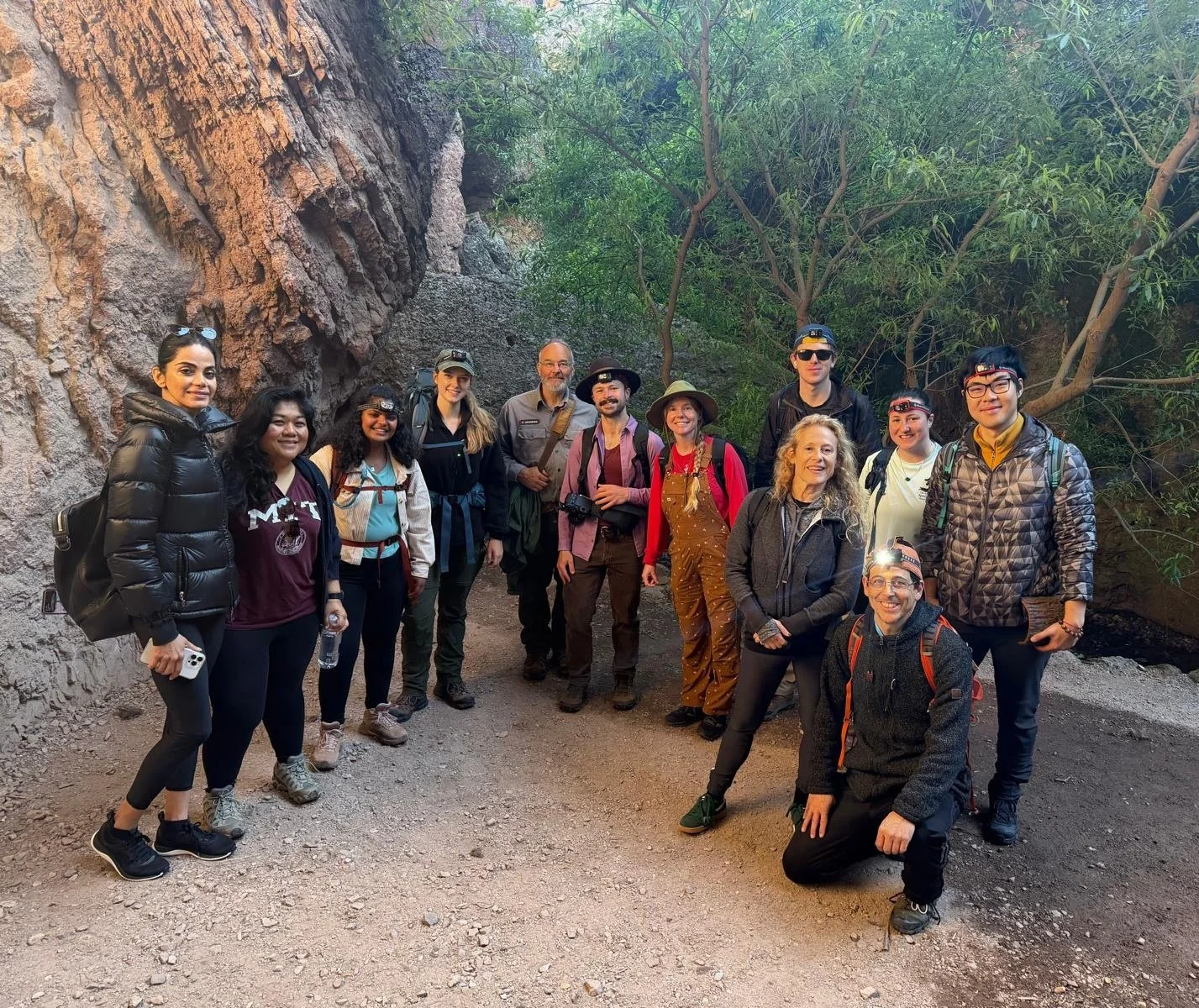
Earlier this month, CPI researchers returned to Pinnacles National Park for a multi-day field visit focused on implementing new technology, strengthening local partnerships, and refining future study design at one of CPI’s most dynamic field sites.
Working alongside National Park Service wildlife biologist Paul Johnson, CPI engineers and field researchers carried out overnight deployments of a multi-modal system designed to observe wildlife activity without direct human presence. The system combined thermal imaging, ultrasonic acoustic recording, air quality tracking, and vibration sensing to capture complementary signals of animal activity. By testing these tools simultaneously over two nights in active field conditions, the team gathered critical insight into how each system may be integrated into future long-term deployments for non-invasive wildlife health monitoring.
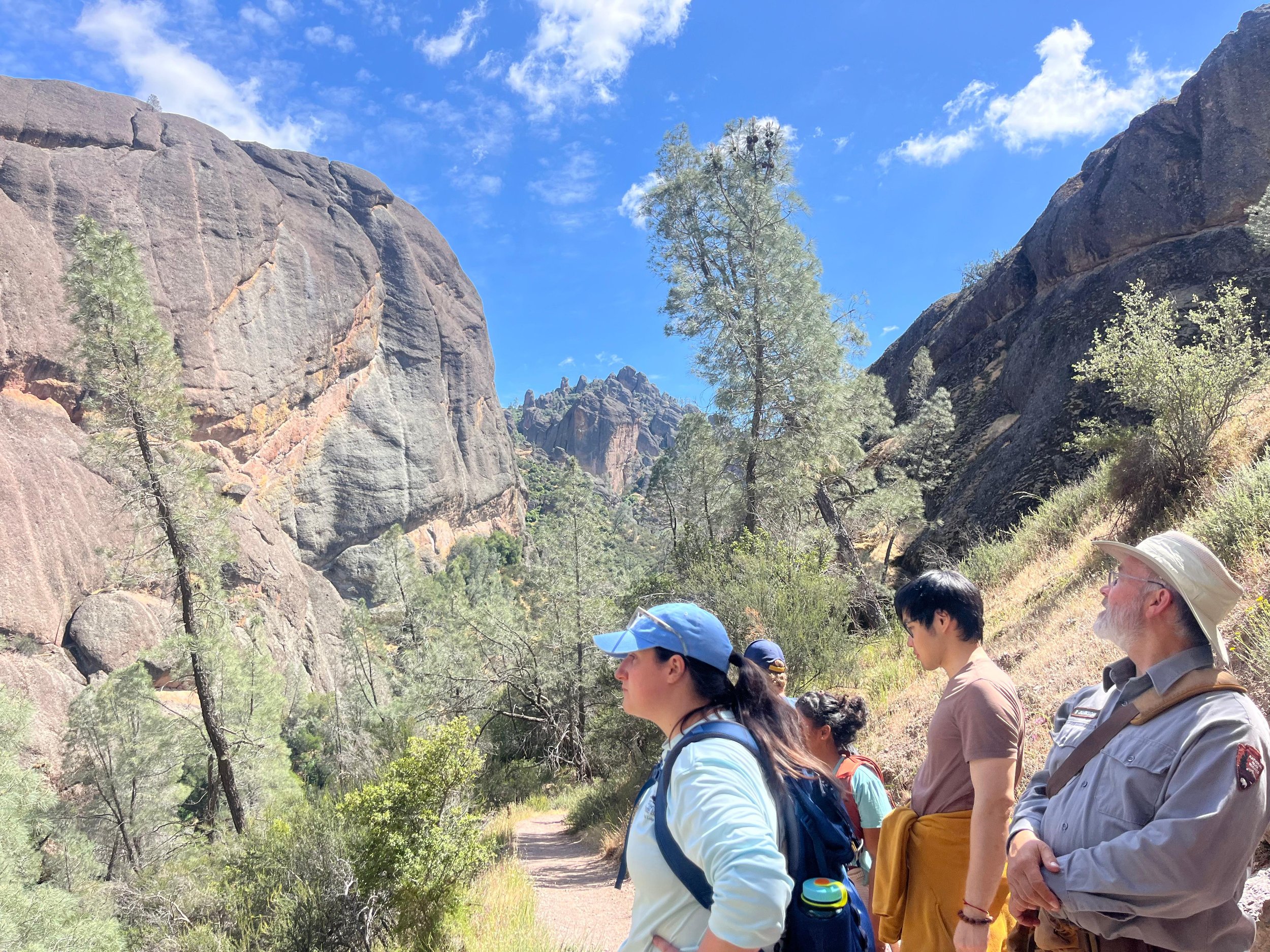
In parallel with field operations, CPI also met with community stakeholders from Pinnacles and the surrounding region to support long-term collaboration at the site. Led by CPI senior scientist Karen Saylors at Gavilan Community College, these conversations brought together educators, youth program leaders, and Tribal representatives from the Amah Mutsun Tribal Band and Chalon Indian Nation to discuss community priorities, educational opportunities, and shared interests in environmental health and disease awareness.
Together, these field and community efforts continue to shape CPI’s approach at Pinnacles. Across CPI projects, technology development, wildlife research, and local partnership all play key roles in building more effective tools for understanding infectious disease.