

Bats
Why study bats?
Bats are among the most diverse mammals on Earth, with nearly 1,500 species occupying an extraordinary range of habitats and ecological niches. They are also critically important to many ecosystems. Insect-eating bats consume enormous numbers of flying insects each night, including agricultural pests, while fruit- and nectar-feeding species disperse seeds and pollinate plants, helping to sustain forests and agricultural systems.
These benefits are often described as “ecosystem services,” natural processes that also provide tangible benefits to people. By suppressing insect populations, bats can reduce crop damage and the need for pesticide applications. The economic value of insect-eating bats to U.S. agriculture has been estimated at billions of dollars annually, and studies of Mexican free-tailed bats have shown that their feeding can significantly reduce the number of pesticide applications needed by farmers.
When studying wildlife ecology and the impacts of changing environmental conditions, bats contribute particularly useful insights. Many species migrate long distances, form large colonies, travel extensively while feeding, and respond to changing weather, food availability, and habitat conditions. Those characteristics create opportunities to observe how large wildlife populations respond to their environment over time. At the same time, many bat populations face pressures from habitat loss, climate change, declining insect populations, wind-energy development, and diseases such as white-nose syndrome. Understanding how bat populations respond to environmental change is therefore important both for understanding ecosystems and for conserving bats as rare and unique species.
Bats and emerging infectious disease
Like other wildlife, bats naturally host many viruses. Bat-associated viruses can pose zoonotic risks when ecological, biological, and human conditions allow pathogens to cross between species. The bat species that NSF-CPI studies in North America are not known to harbor viruses of pandemic concern, but they provide valuable model systems for developing ways to observe bat populations and monitor movements, behavior, and environmental responses at large scales. Those same approaches can then be applied in other regions where bat-associated pathogens present greater spillover risk.
Field sites
-
One of the largest bat colonies in Northern California lives beneath the I-80 Yolo Causeway between Davis and Sacramento. Hundreds of thousands of Mexican free-tailed bats occupy the expansion joints under the causeway, emerging near sunset to disperse across the surrounding agricultural fields and wetlands in search of insects. In doing so, they provide natural pest control in a landscape where agriculture and wildlife habitat exist side by side. The size and accessibility of this colony make the Yolo Bypass an exceptional place to study how wildlife populations change over time. Our research at this site is a collaboration between the California Department of Fish and Wildlife, NSF-CPI, and the Yolo Basin Foundation.
-
The park is home to one of the largest maternity colonies of Townsend's big-eared bats in California. The bats roost in talus caves, large spaces formed by gaps between boulders. These caves are both popular destinations for park visitors and a critical habitat environment for the bats. Balancing the benefits of these caves for both the bats and the visitors requires studying bat behavior, population dynamics, and responses to changes in the environment, all without disturbing this sensitive species. Research at this site is a collaboration between the National Park Service, NSF-CPI, the University of Michigan, and the San Diego Zoo Wildlife Alliance.
-
This cave supports a large and diverse community of bats, with multiple species occupying different portions of the cave and emerging at different times. This creates an unusual opportunity to study how bat species interact, share space and move through a common environment, and how those interactions may influence opportunities for pathogen transmission. Research at this site is a collaboration between UC Davis, Ciudadanos del Karso (Citizens of the Karst), the Puerto Rico Department of Natural Resources (DRNA), and the University Interamericana Bayamón.
Our research
NSF-CPI researchers are developing and applying new ways to monitor bats without disturbing them. Doppler weather radar can reveal large-scale nightly movements across the landscape, while thermal imaging, automated cameras, acoustic sensors, and machine-learning tools can provide increasingly detailed observations at individual roosts. By combining these measurements with information about weather, habitat, artificial light, and other environmental changes, researchers can ask how bat populations and behavior respond to a changing landscape.
Our field sites allow NSF-CPI researchers to develop and test new ways of observing wildlife populations safely and noninvasively. The same technologies and analytical approaches can then be adapted to wildlife systems elsewhere in the world where changes in animal populations, behavior, and pathogen circulation may signal changing risks of zoonotic disease.
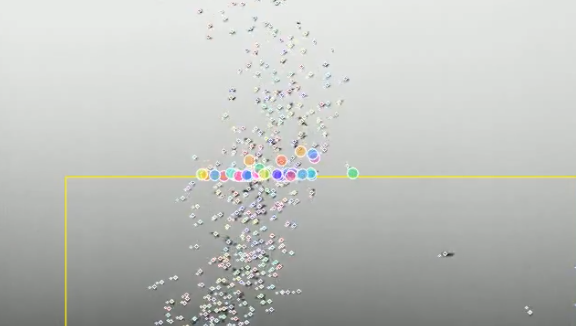
Thermal imaging Thermal imaging lets CPI researchers observe bats emerging from roosts and moving through the night without relying on visible light or disturbing the animals.
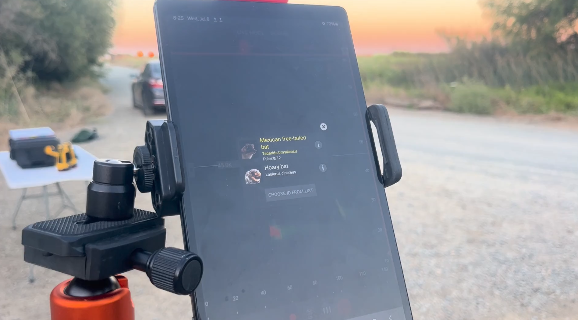
At the NSF Center for Pandemic Insights, we develop innovative technology to study the ecological, behavioral, and biological events that occur during the pre-emergence phase to better understand zoonotic disease dynamics and forecast outbreaks.
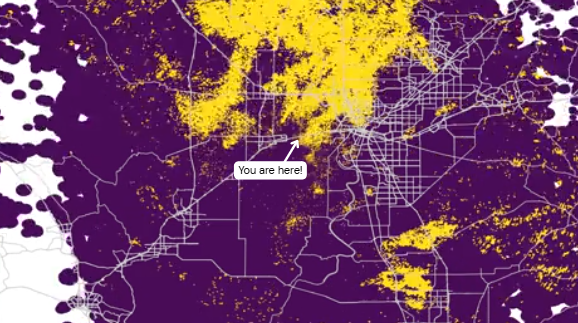
Doppler radar Weather radar can detect large bat emergences from miles away, allowing researchers to study movement patterns across entire landscapes and over many years.
Acoustic monitoring Ultrasonic microphones record bat echolocation calls, providing a noninvasive way to monitor when bats are active, where they are moving, and which species may be present.
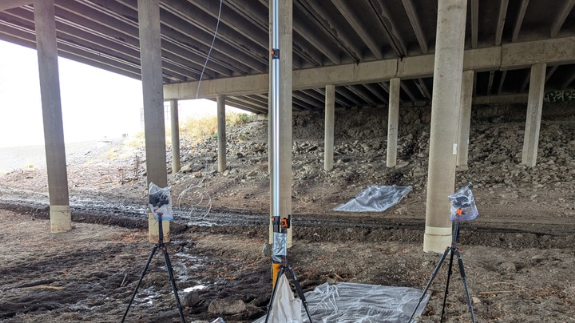
Air sampling Air samplers collect biological material released into the environment by bats and other organisms, allowing researchers to look for pathogens and other biological signals without handling or disturbing the animals.
Machine-learning counting Computer-vision tools automatically detect and track bats in video, turning hours of footage into rapid, repeatable estimates of colony size and activity. (Collaboration with the University of Colorado, Colorado Springs)
