

Zoonoses and Pathogens
What is a Zoonosis?
Zoonosis: A disease that spreads naturally from animals to humans
“Zoo”: Greek word for animal + “nosos”: Greek word for disease or pathology
Zoonotic diseases are very common around the world. About 60% of all the infectious diseases that people get actually come from animals. These diseases spread through the passage of pathogens between organisms.
Pathogen: A biological agent that causes sickness.
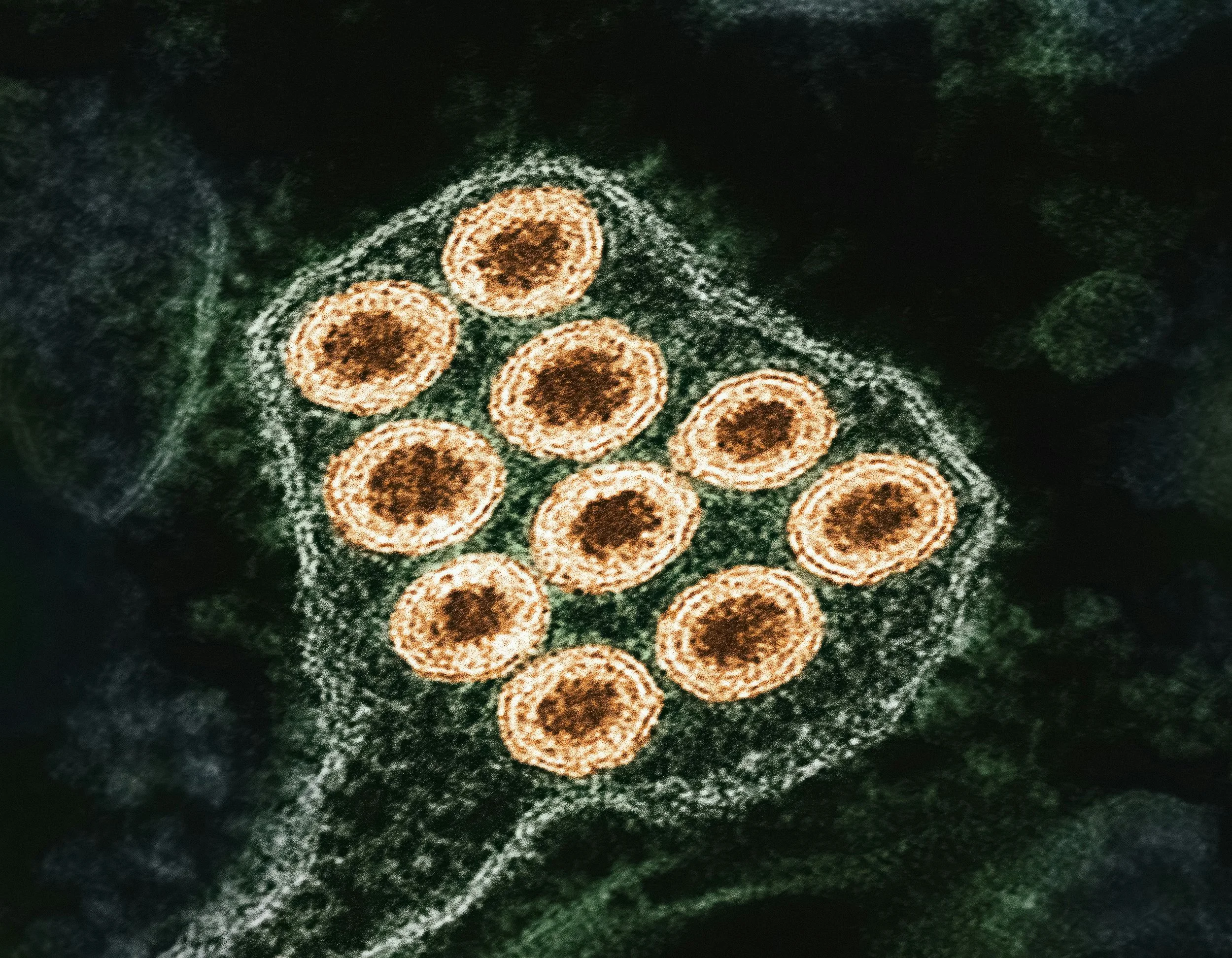
Colorized transmission electron micrograph of rabies virus particles (orange)
Viruses, bacteria, fungi, parasites, and prions are pathogens.
Zoonotic pathogens can spread from animals to humans in different ways:
Direct zoonosis: A sick animal passes a disease directly to a human.
This might happen through a bite (e.g. rabies) or through the air (e.g. influenza).
Vector-borne zoonosis: A “vector” animal carries and spreads a pathogen to humans and animals, but the vector doesn’t get sick.
For example, rats can carry the bubonic plague, but they don't usually infect humans directly. Instead, fleas bite the rats and pick up the plague bacteria without getting sick. If that flea then bites a human, it can pass the bacteria to the human, and the person can get the plague. In this case, the rat is the host (where the pathogen lives), and the flea is the vector. Also known as the Black Death, the bubonic plague, which was a zoonotic disease, killed one-third of Europe's population in the 1300s.
This Ted-Ed video explains how viruses can adapt to infect new hosts
Why and how do we study zoonoses?
Zoonotic pathogens pose a major public health problem around the world due to our close relationship with animals in agriculture, as companions, and in nature. Zoonoses can impact food production, making it hard to raise animals or sell them for meat, which can lead to food shortages and have economic impacts across the world.
According to the World Health Organization, there are over 200 known types of zoonoses. Some zoonoses, such as rabies, are 100% preventable through vaccination and other methods. Some diseases, such as HIV, started as a zoonosis but later mutated into human-only strains. Other zoonoses can cause recurring disease outbreaks, such as Ebola virus disease and salmonellosis.
Scientists study zoonoses using a One Health approach, which recognizes that the health of humans, animals, and the environment are closely connected. Veterinarians, physicians, ecologists, laboratory scientists, public health experts, and community members work together to understand and reduce disease risks.
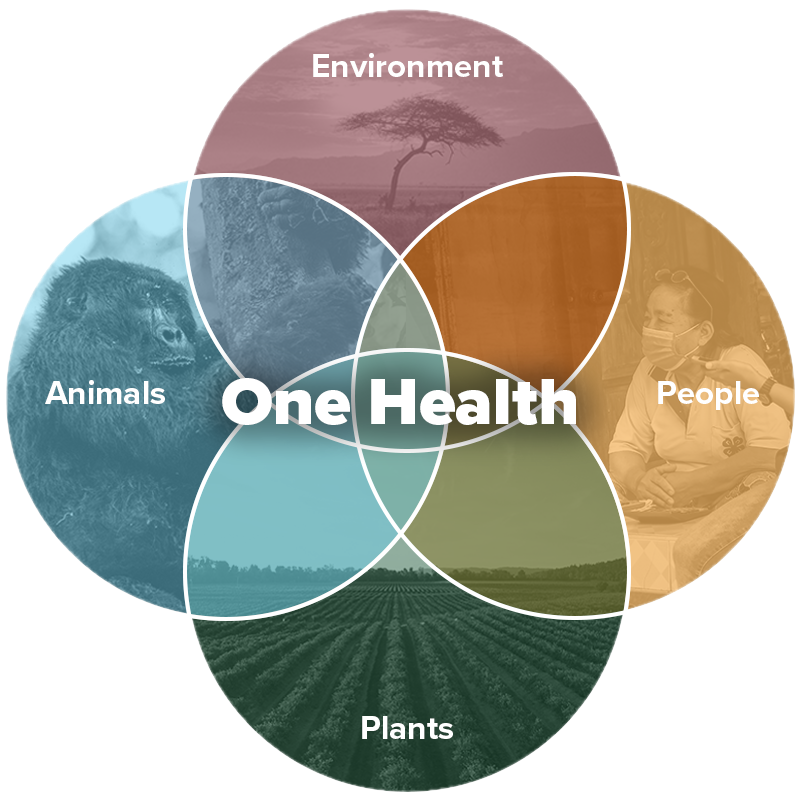
Diagram: Eunah Cho Preston
What is a pandemic?
Pandemic: An outbreak of an infectious disease that spreads across many countries or continents and affects a large number of people
The term describes how widely a disease is spreading, regardless of how severe or deadly it is.
Pandemics are often caused by a new disease or a new strain of an existing disease, but this is not always the case. A pandemic may begin when a virus that previously infected animals gains the ability to infect and spread among humans. Because the virus is new to humans, most people may have little or no immunity to it. Respiratory diseases are especially likely to cause pandemics because they can spread from person to person through the air in droplets and smaller particles.
Scientists and health officials may initially know very little about a new pathogen, including where it came from, how it spreads, how serious the illness can become, and which measures will control it. Vaccines and effective treatments may be unavailable when the outbreak begins, allowing the virus to spread more easily. Researchers must gather evidence while the outbreak is unfolding.
The effects of a pandemic depend on several factors.
These include how easily the disease spreads, how severely it affects infected people, and whether vaccines or treatments are available. A person’s age, immune system, existing health conditions, and access to medical care can also influence how sick they become. As a result, some pandemics cause far more illness and death than others.
Throughout history, pandemics of diseases such as influenza, cholera, and plague have played a major role in shaping human civilizations. Examples of significant historical pandemics include the plague pandemic of the Byzantine Empire in the 6th century; the Black Death, which originated in China and spread across Europe in the 14th century; and the Great Influenza pandemic of 1918-1919. Although pandemics typically occur over a short span of time, today several infectious diseases persist at a high level of incidence, occur on a global scale, and can be transmitted between humans either directly or indirectly.

Photo: Jonathan Eisen
Who is at risk?
Zoonotic pathogens can spread to humans through any contact point with domestic, agricultural or wild animals. Markets selling the meat or other parts of wild animals are particularly at high risk due to the large number of new pathogens known to exist in some wild animal populations.
Agricultural workers in areas with a high use of antibiotics for farm animals may be at increased risk of pathogens resistant to current antimicrobial drugs. People living near wilderness areas or in semi-urban areas with higher numbers of wild animals are at risk of disease from animals such as rats, foxes or raccoons. Urbanization and the destruction of natural habitats increase the risk of zoonotic diseases by increasing contact between humans and wild animals.
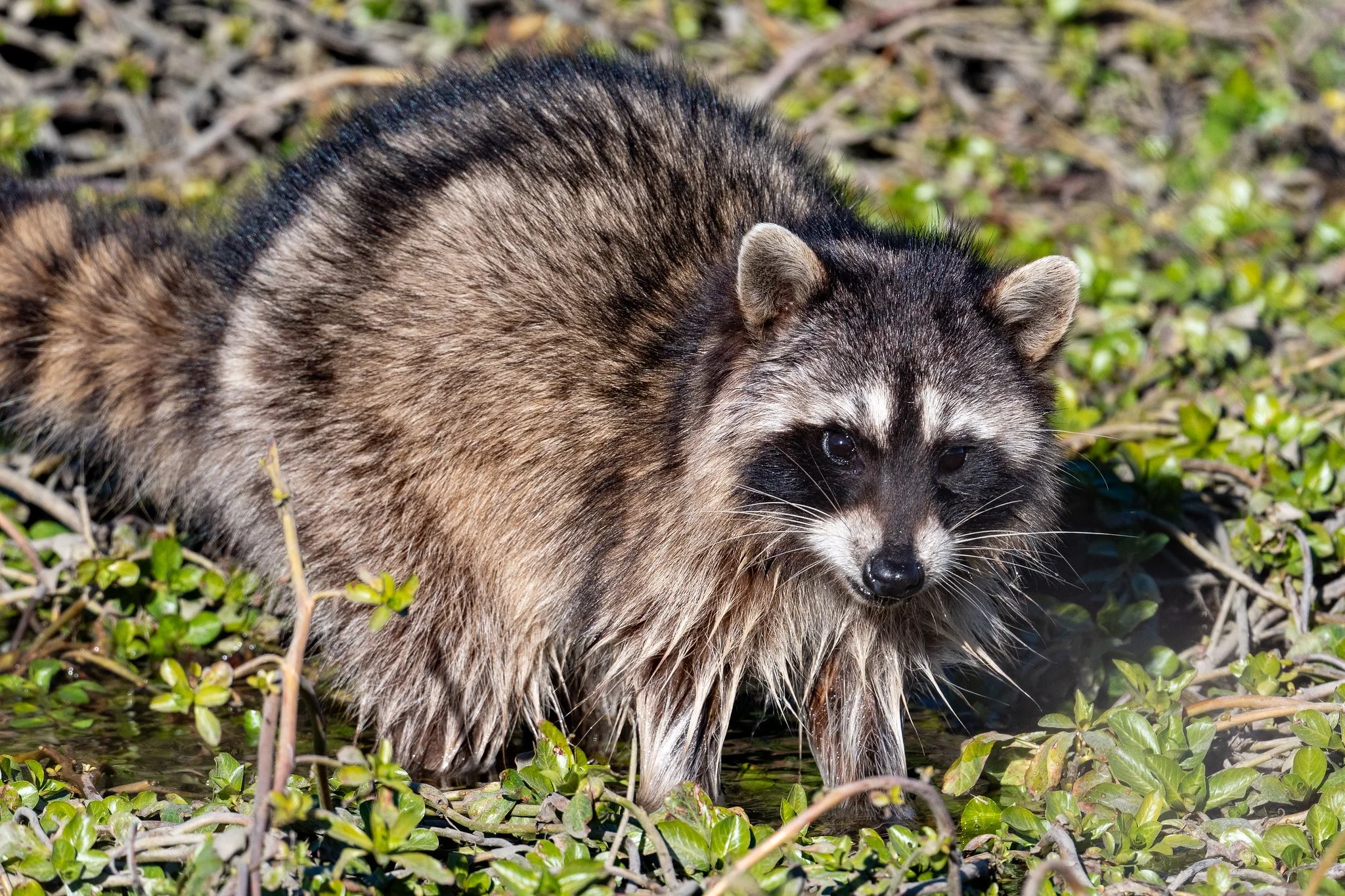


Photos: Jonathan Eisen
What is the pre-emergence phase?
Disease emergence: When a disease first causes an outbreak in humans.
The pre-emergence phase: The period before a pathogen begins spreading widely among people.
During the pre-emergence phase, the pathogen may be circulating only in animals, or it may occasionally infect individual people without causing sustained person-to-person transmission.
A new disease may progress through the following stages:
Pre-emergence: A pathogen circulates within a wild or domestic animal population, evolving and spreading between different species without causing an outbreak in humans.
Spillover: The pathogen evolves and crosses from an animal into a human.
Emergence: If the pathogen gains the ability to spread from human to human, it can cause an outbreak in human populations.
Epidemic: Disease outbreaks that spread rapidly in one geographic location become epidemics.
Pandemic: If the epidemic continues to grow and spreads across many countries or continents, it may become a pandemic.
Most animal diseases never spread to humans. For a pathogen to progress through all of these stages, it must overcome several barriers that allow it to infect humans, spread efficiently from person to person, and reach populations across the world.
At the NSF Center for Pandemic Insights, we develop innovative technology to study the ecological, behavioral, and biological events that occur during the pre-emergence phase to better understand zoonotic disease dynamics and forecast outbreaks.

Photo: Jonathan Eisen
