
Monitoring bats through a multimodal, autonomous sensing system at Pinnacles National Park
Wild bats spend most of their lives in places that are difficult for researchers to observe. While monitoring bats as they emerge from their roosts can provide valuable information about population dynamics, it reveals little about what happens during the other 23 hours of the day. Seasonal changes in activity, the relationship between environmental conditions and behavior, and potential indicators of population health often remain hidden from view.
Answering these questions requires us to look inside the roost itself. But human presence can alter the very behaviors we're interested in studying.
So, how do we observe bats without being there to watch them?
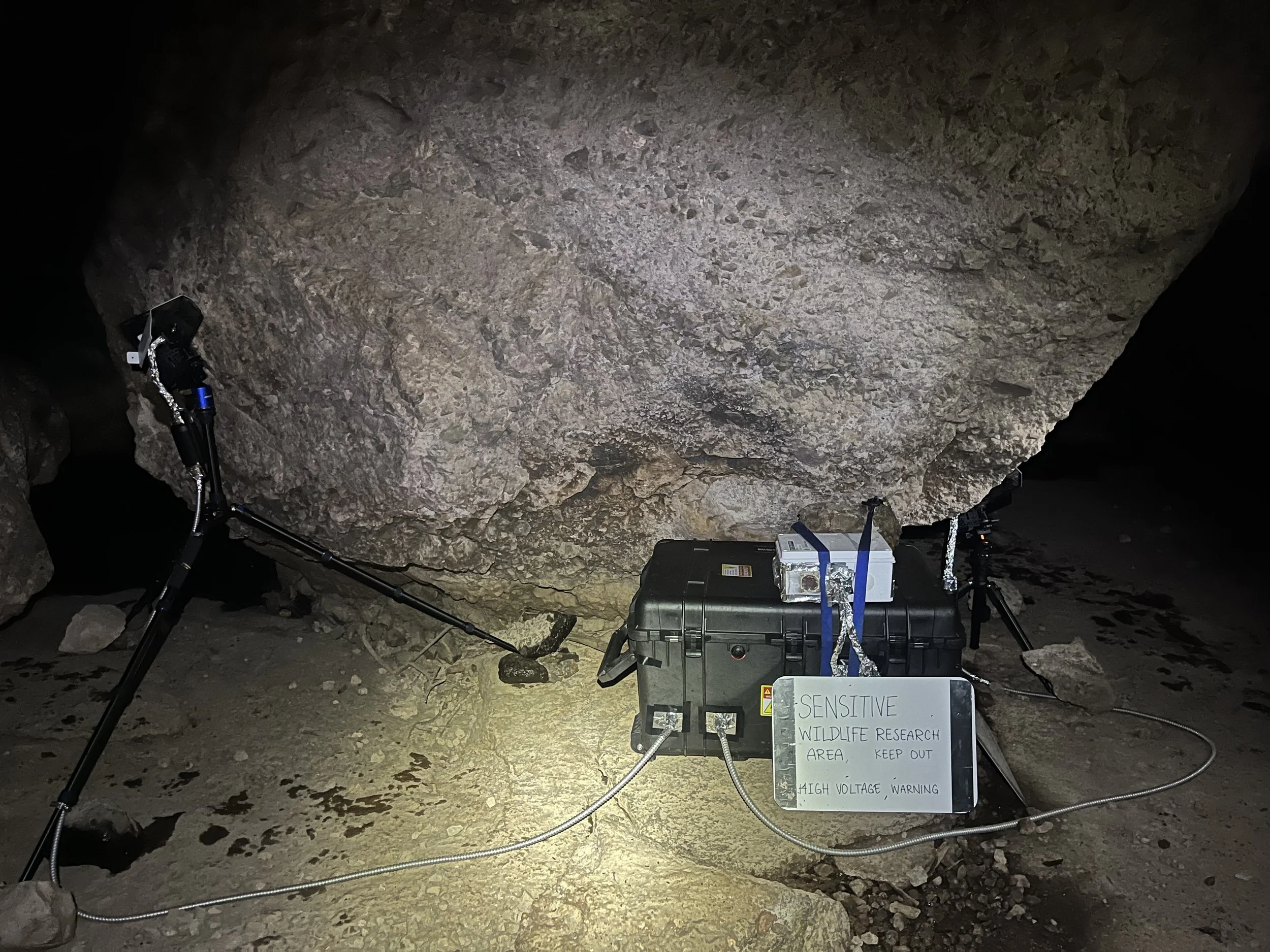
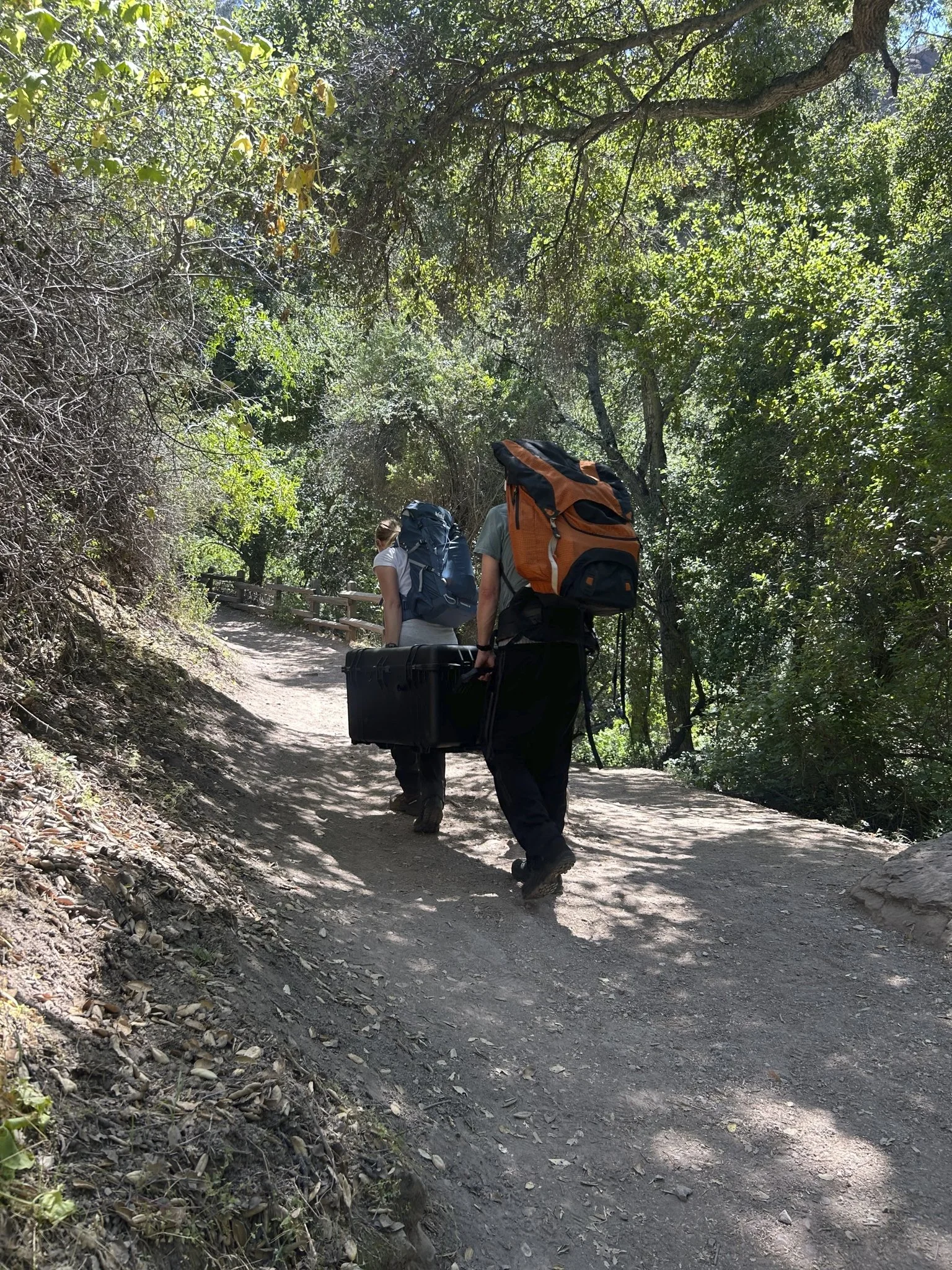
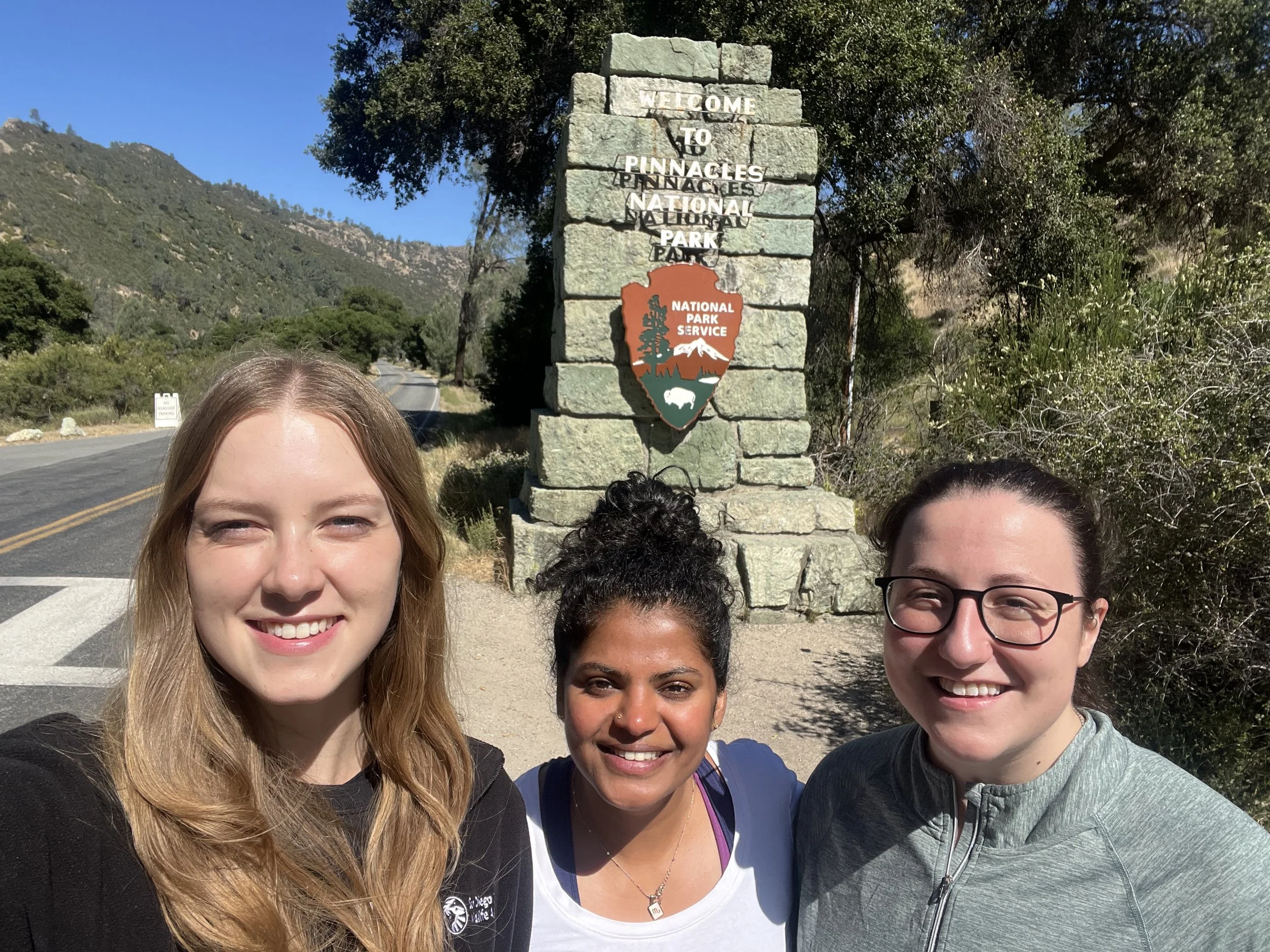
At Pinnacles National Park, the NSF Center for Pandemic Insights is working toward that goal. Last month, teams from UC Davis, the University of Michigan, and the San Diego Zoo Wildlife Alliance deployed an autonomous, multimodal sensing system to monitor a maternity colony of Townsend's big-eared bats throughout the summer. Designed to operate without human intervention, the system will collect data on bat activity and environmental conditions for five months. By installing the system before the bats arrive for the summer and retrieving it after they migrate, we're able to observe natural behaviors while minimizing human disturbance.
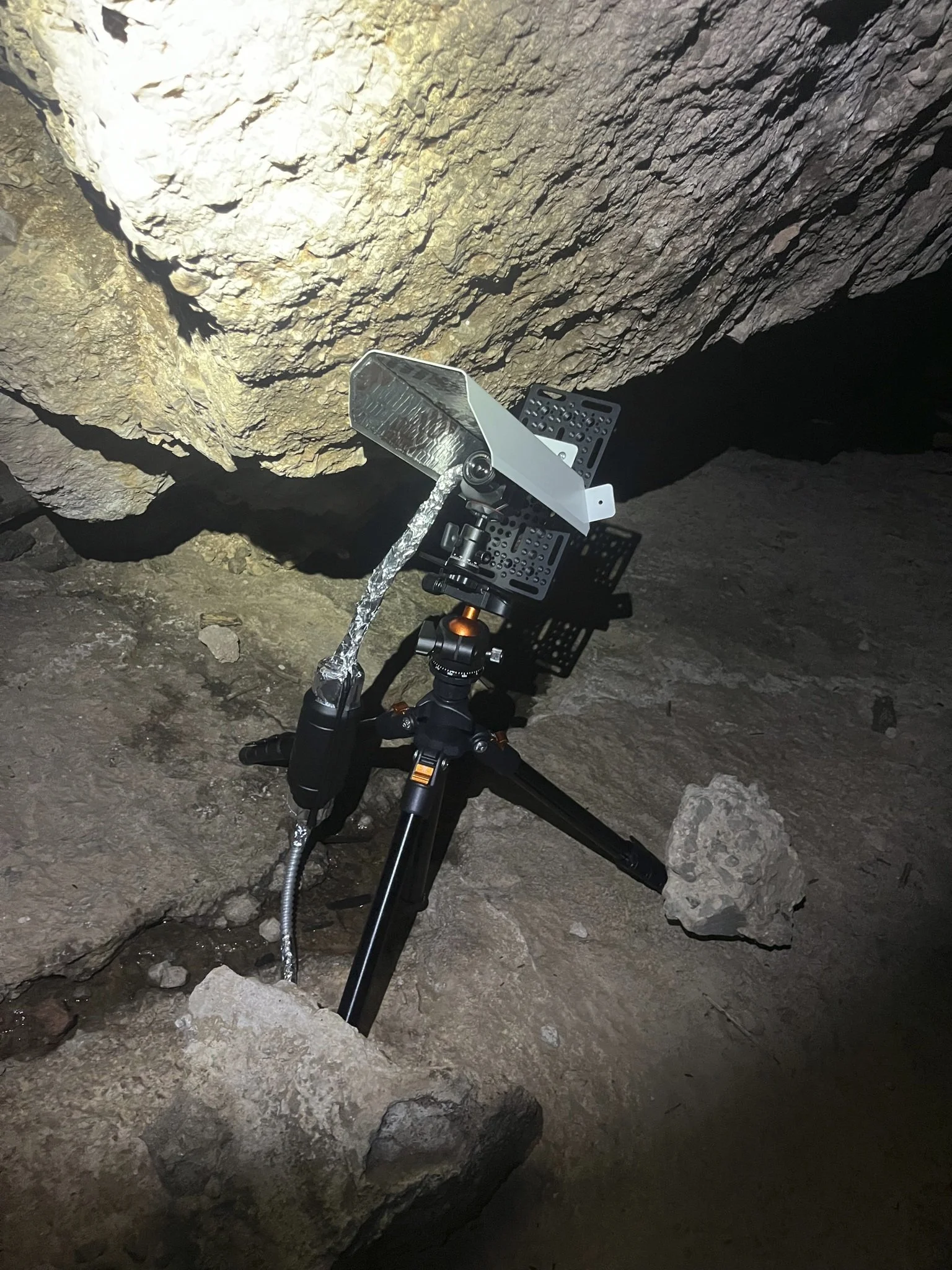
The system incorporates an array of sensing modalities and data collection devices. Thermal imagery monitors roosting surfaces to detect behaviors, measure population changes, and observe seasonal events such as pupping. Ultrasonic acoustic monitoring records echolocation calls, while environmental sensors track volatile organic compounds, particulate matter, temperature, humidity, and other conditions within the roost. Together, these data streams provide a detailed picture of how environmental conditions correlate with bat behavior and population health.
Check back with us in October, when we retrieve the system and its data after the bats have migrated. We're excited to see what these data reveal about seasonal patterns within the colony and how we can continue refining autonomous sensing approaches for wildlife health and ecological monitoring.