What is NSF-CPI doing about H5N1?
Overview
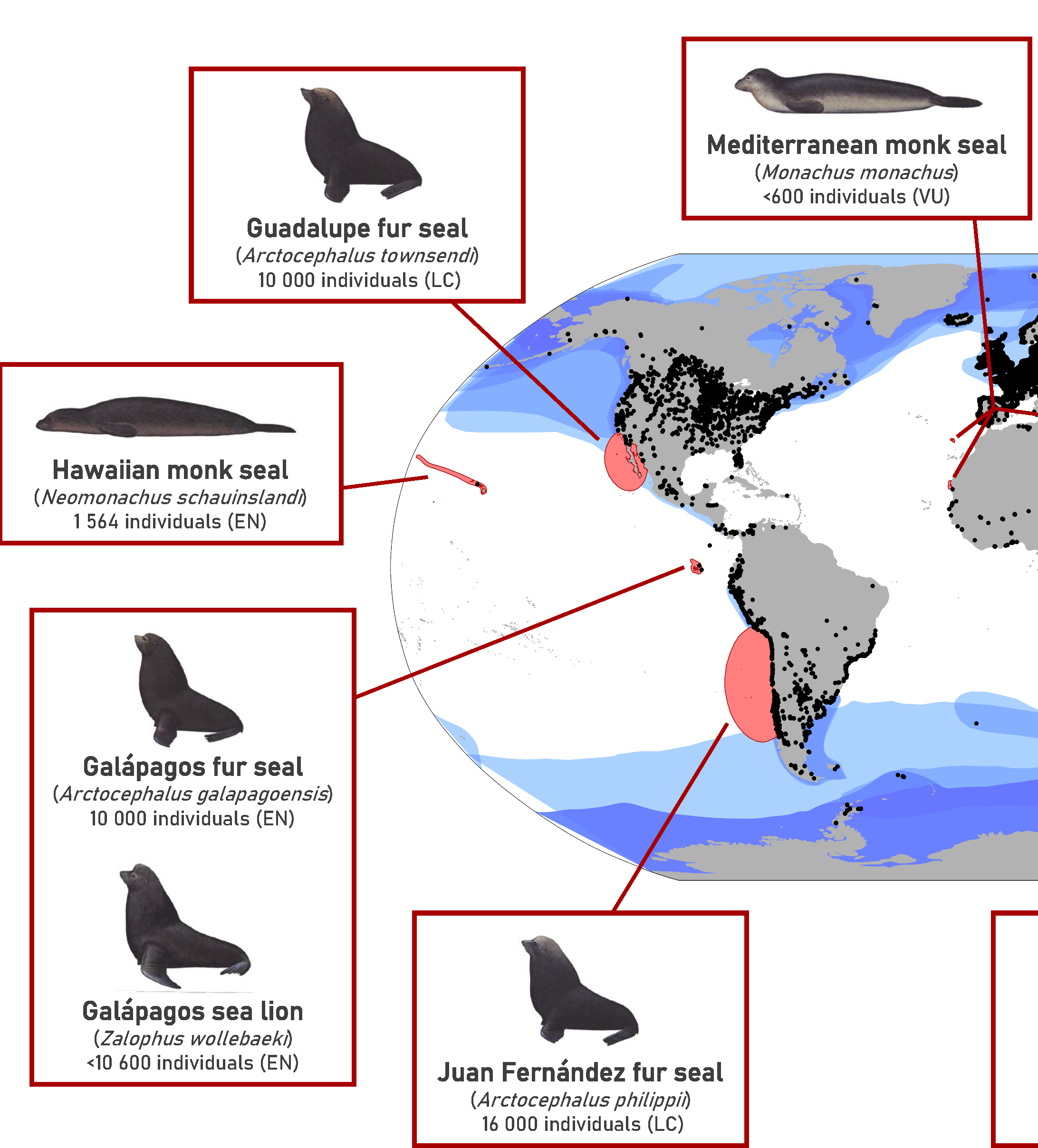
H5N1 Highly Pathogenic Avian Influenza (HPAI) is a subtype of the influenza A virus that is known to cause severe disease and mass mortality in poultry and wild birds. More recently, HPAI has been increasingly detected in mammals, with generally low morbidity and mortality reported in livestock, while mortality events of varying scale have occurred among marine mammals across multiple continents.
The emergence of H5N1 HPAI in North America poses an escalating threat to public health, livestock production, wildlife conservation efforts, and global health security. Since 2022, the H5N1 HPAI clade 2.3.4.4b has caused large-scale outbreaks in wild migratory bird communities, adapted to new mammalian hosts, and spread mammal-to-mammal. Given the ongoing transmission in wildlife and agricultural settings, H5N1 HPAI presents a sustained pandemic risk, necessitating new surveillance strategies for early detection to inform risk mitigation and interventions.
H5N1 HPAI in Marine Mammals
A group of healthy weaned elephant seal pups on the beach at Año Nuevo State Park. The variation in fur color is a normal process of molting each year. Photo by Frans Lanting for the Beltran Lab / UC Santa Cruz under NMFS Permit 28742.
NSF-CPI Response in California
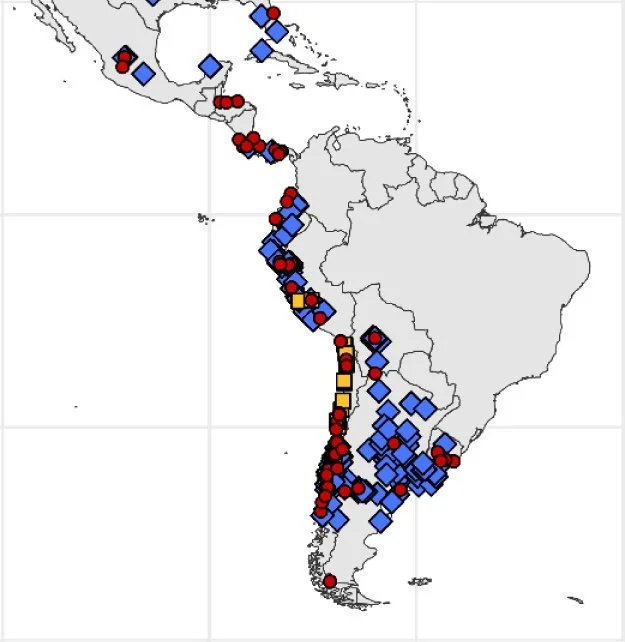
The incursion of H5N1 HPAI into marine mammals, with unprecedented outbreaks in wild birds, seals, and sea lions in South America, was one of the first harbingers that the evolution and adaptation of this zoonotic pathogen had entered a new ecological scenario. Along the coasts of South America and the Antarctic region, this virus has contributed to large-scale die-offs of marine mammal populations since 2023.
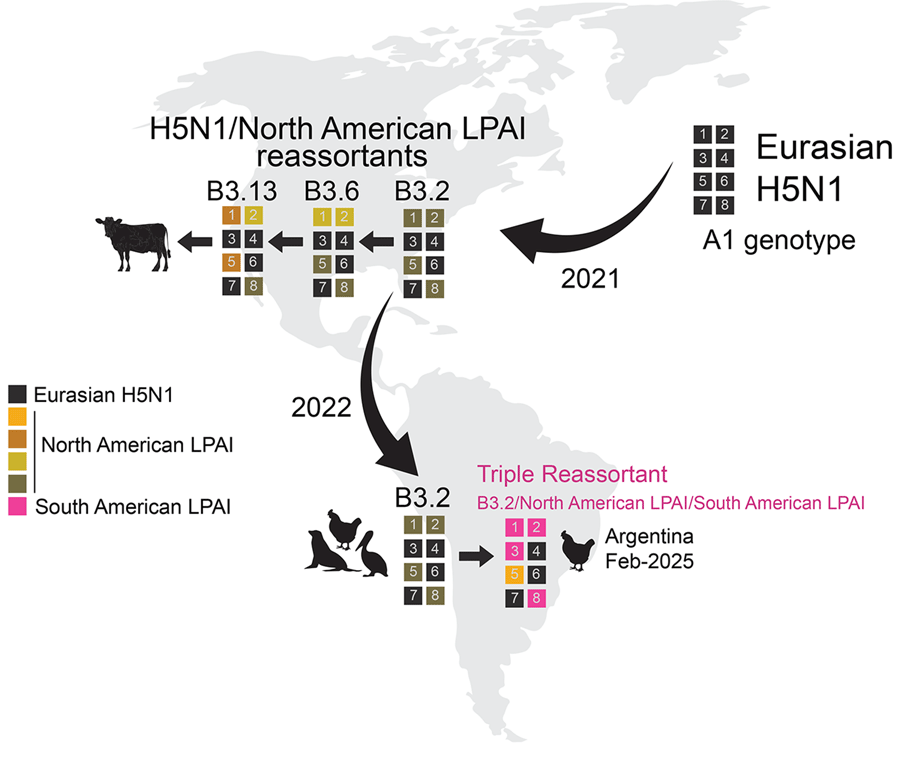
Beyond the immediate effects on wildlife populations, these outbreaks may also create new opportunities for viral evolution. Recombination and reassortment can quickly shuffle genes and generate new virus strains whose characteristics are challenging to predict. This emerging situation highlights how little we understand about virus transmission in wildlife. Urgent investigations are needed to study transmission cycles and the factors that influence them.
In February of 2026, NSF-CPI collaborated with state and federal agencies and local stranding networks to respond to an H5N1 HPAI outbreak in marine mammals along California’s coast.
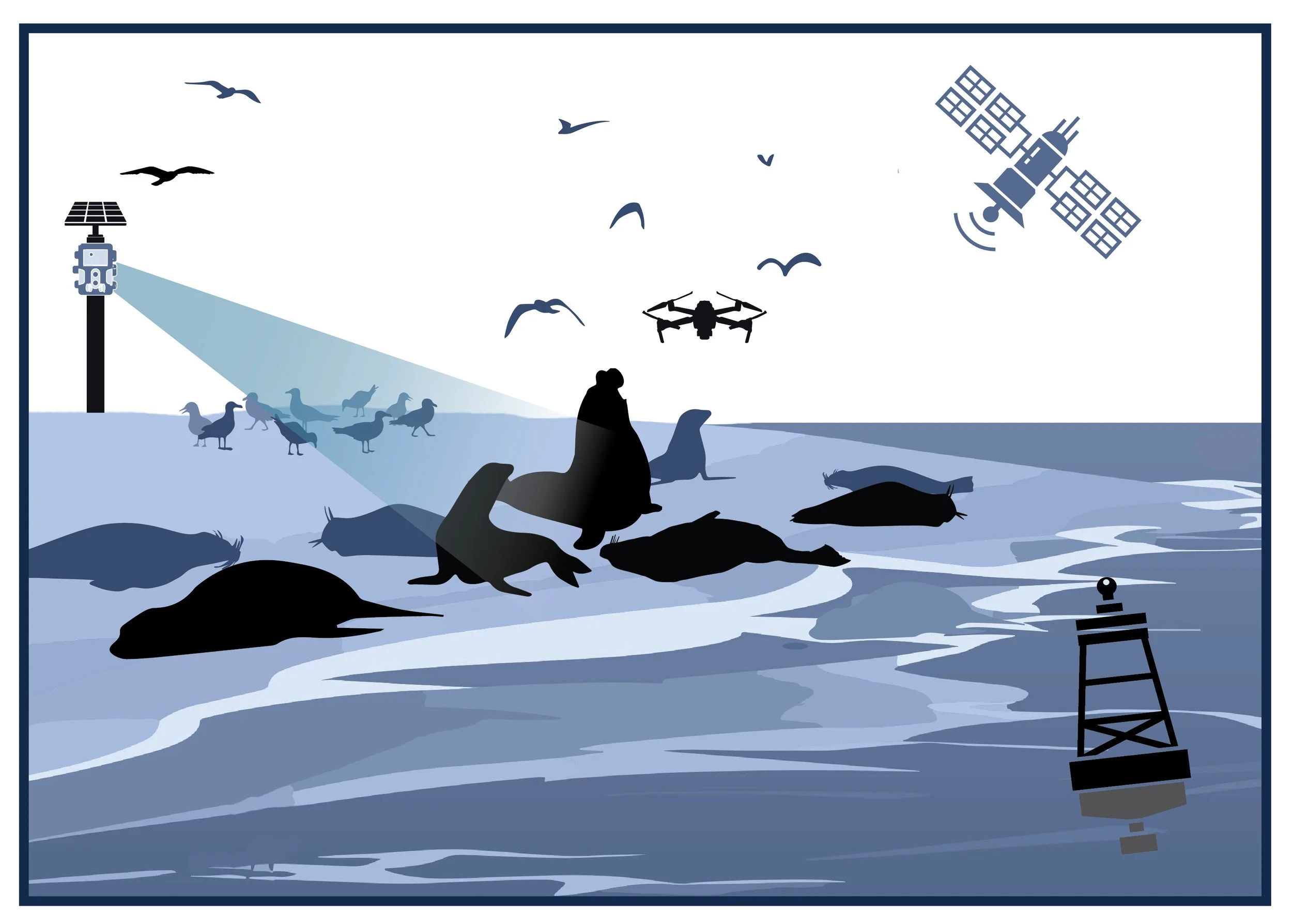
In addition to performing traditional surveillance during the outbreak, Center researchers used this unique opportunity to pilot a variety of novel technologies and approaches for non-invasive monitoring. These included air sampling on beaches, volatile organic compound (VOC) analysis of air near animals, handheld radiometric thermal imaging, and visual and thermal drone surveys of marine mammal populations.
Innovative sensing technology can be implemented alongside traditional surveillance methods to help characterize poorly understood factors that potentially influence transmission cycles and spillover risk. NSF-CPI is continuing to develop sensing technology that can inform on animal health status changes that often go unseen.
Future Efforts
Our team is collaborating with researchers to implement surveillance efforts along the California coast, focusing on sites where coastal marine mammals and birds gather in large colonies. These sites are critically important from a conservation perspective. By combining traditional and innovative technology for monitoring population health and modeling risk in complex environments, our Center will advance our understanding of this emerging crisis.
NSF-CPI supported Publications